Maple products

Classification and regulatory status of Maple products

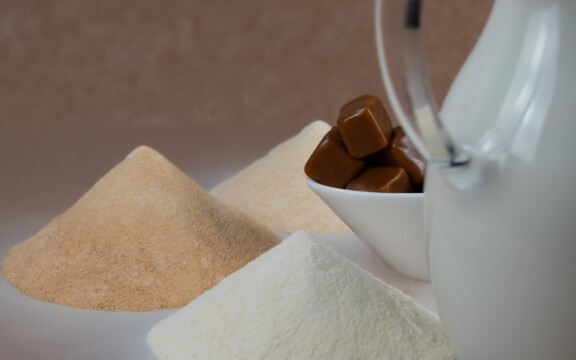
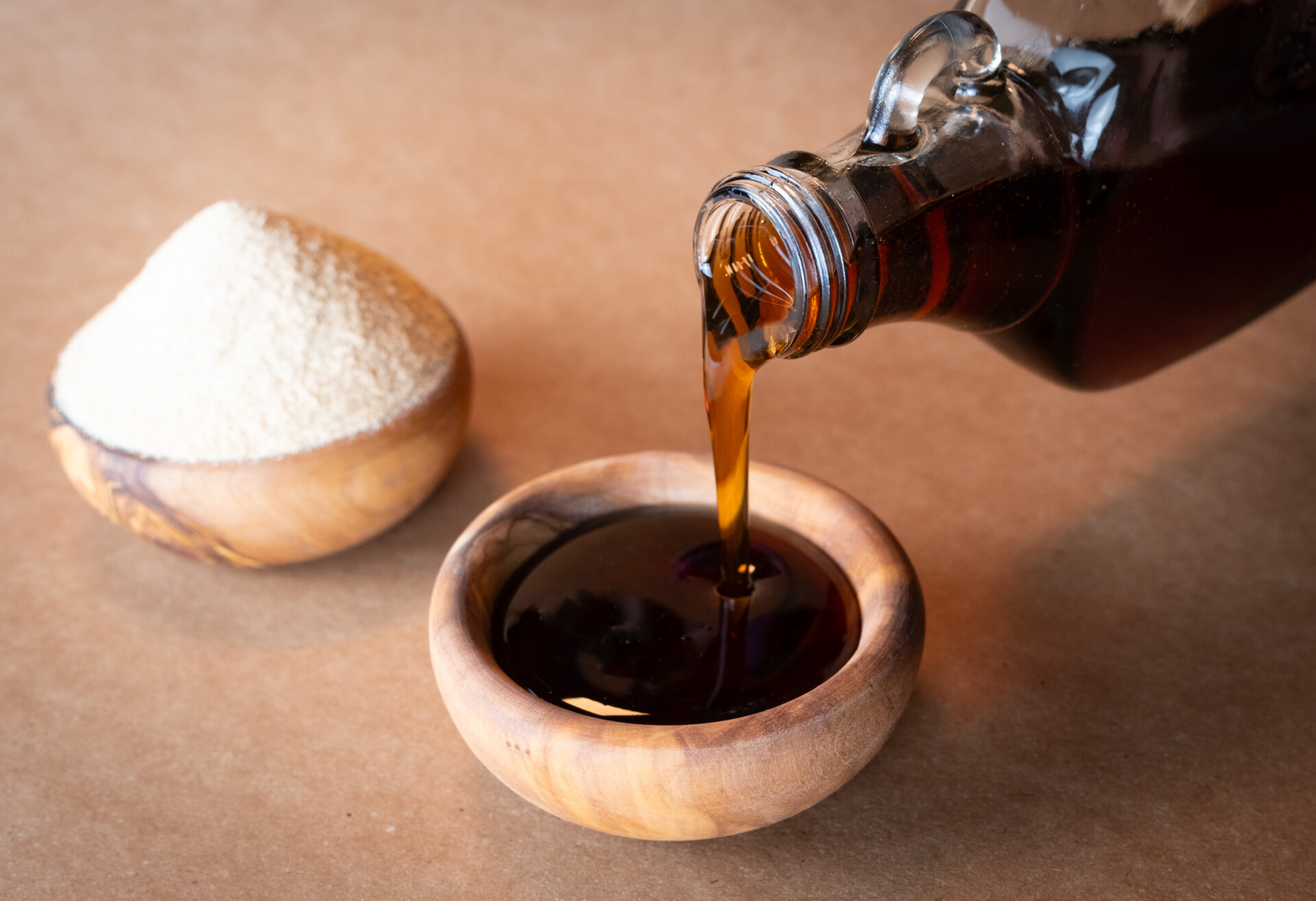
Maple syrup and maple sugar are natural sweeteners, flavour enhancers and binding agents. They have a unique aroma and a clean label.

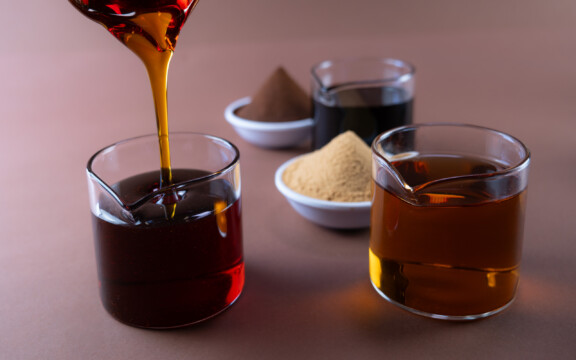
Maple syrup is known for its wide range of colour and flavour profiles, ranging from amber and mild to dark with an intense aroma. Maple syrup is a plant-based product with a distinctive flavour, making it a great vegan sweetener.

Thanks to its high solubility and homogeneous grain size, maple sugar is ideal for use in both dry and liquid formulations.

Product groupmaple
Tastesweet, distinctive maple flavour
Colorlight brown to dark brown
Form

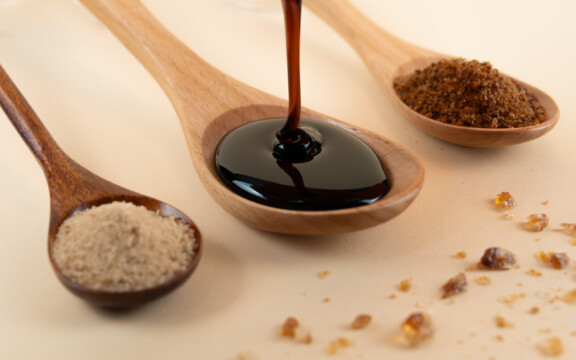
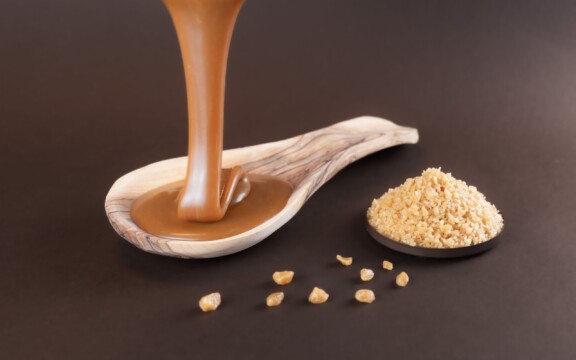
maple syrup

maple sugar powder

maple sugar granules

Benefits

natural product

traditional production process

free from chemical additives

easy processing

long shelf life

standardised quality

clean label

Areas of application

bread, baked goods and cereals

dairy products, ice cream and preparations

aromatic products

beverages and flavours

chocolate and confectionery

pet food

Features

SQF Manufacturing Food Safety Code certified

allergen-free

GMO-free (in accordance with EU Regulations (EC) 1829/2003 and 1830/2003)

kosher

vegan

gluten-free

lactose-free

organic

Maple products FAQs

How is maple sap harvested?

We only harvest our maple sap from healthy trees with a trunk diameter of at least 30 cm. A maximum of two gentle ‘health spouts’ are placed on each tree. The sap only flows when the temperature is above freezing. It is then transported through a pipe system and collected in tanks. Sap flow is only possible when there is a difference in temperature between frosty nights (below 0 °C) and warm days (above 0 °C). The clear extract contains 1–4% sugar and tastes slightly sweet.

How does maple sap become maple syrup?

Around 38 litres of maple sap are needed to produce approximately 1 litre of maple syrup. The clear maple sap is typically transported via an airtight tube system to the sugar huts, where it is traditionally boiled down in pans that are heated either with wood or oil. Boiling down removes water from the juice, increasing the sugar concentration from around 2% to around 67%.

How is maple syrup turned into maple sugar?

A flavourful maple syrup that meets certain criteria is selected to produce maple sugar. The maple syrup is heated in a pressure vessel until the sugar crystallises and the water evaporates. The lumps of sugar are ground and sieved. As it is not refined and contains no chemical additives or carriers, maple sugar is a pure, natural product.

In what type of packaging is maple syrup available?

Metal barrel 25kg
Metal drum 227kg

What is the storage and shelf life of maple syrup?

The shelf life is 24 months. Once opened, store the product in a cool place.
Maple syrup may contain natural yeasts, so there is a risk of mould or fermentation if it is not heated or refrigerated after opening.

How is maple syrup classified?

The time of harvest determines the classification of maple syrup. The lighter grades are usually harvested at the beginning of the season, followed by the darker, more flavourful varieties as the season progresses.
The USDA classifies maple syrup spectrophotometrically (colour value expressed as a percentage of light transmission compared to an analytical reference (A.R.) of glycerol, which has a transmission value of 100%) into the following grades:
Grade A – Golden Colour, Delicate Taste ≥ 75%
Grade A – Amber Colour, Rich Taste 50–74.9%
Grade A – Dark Colour, Robust Taste 25–49.9%
Grade A – Very Dark Colour, Strong Taste < 25%