Caramelised sugar

Classification and regulatory status of caramelised sugar products

Caramelised sugar products are foodstuffs in their own right. They are produced exclusively through the controlled heating of sucrose and/or other edible sugars, with no chemical substances added (for example, acids, bases, ammonium or sulphite compounds).

Caramelised sugar is primarily used for its flavour – the colouring is an added bonus. It typically has a fresh reddish-brown colour and a toasted, sweet caramel flavour.

Product groupcaramelised sugar
Tastesweet
aromatic
toasted and aromatic
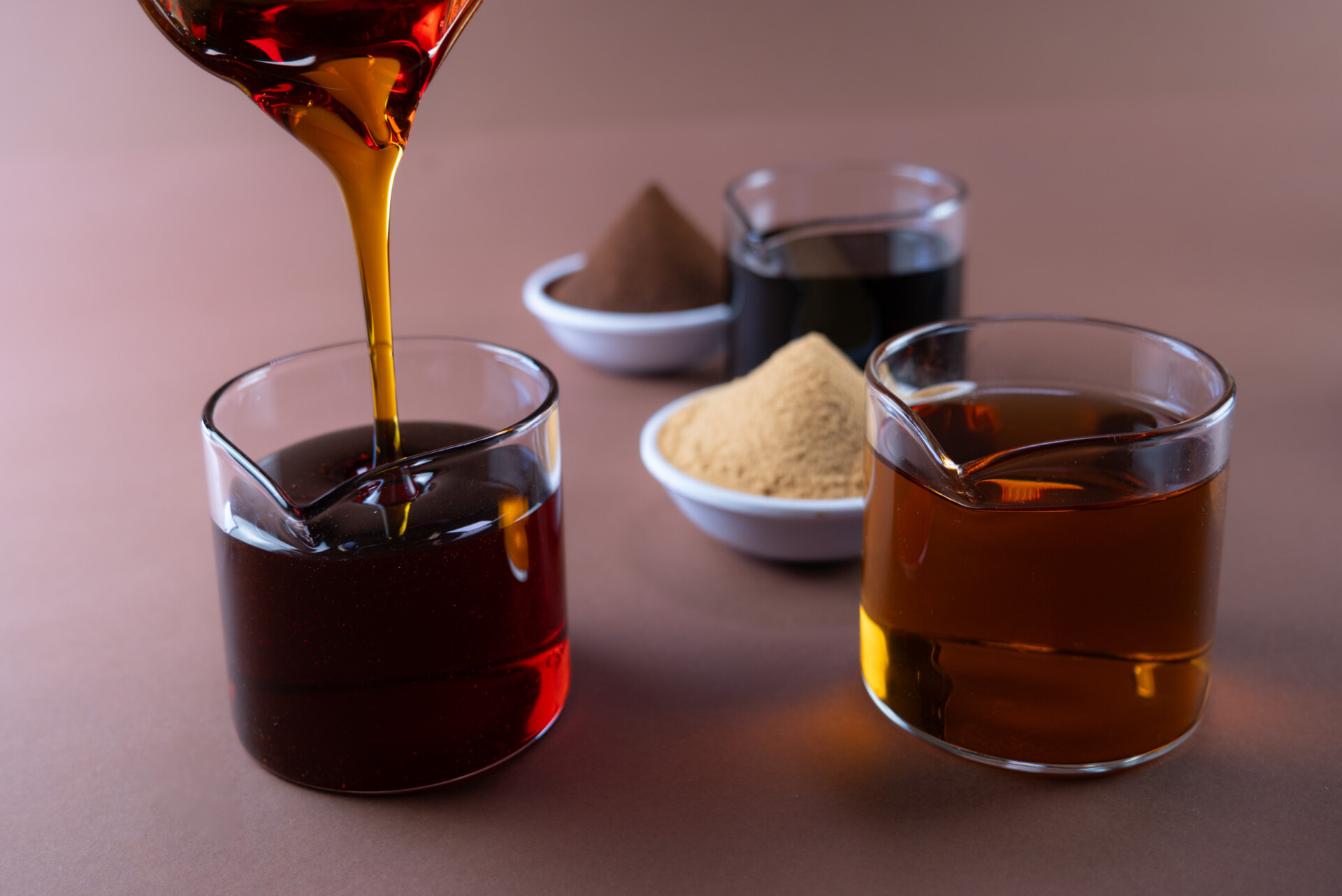
Colorlight brown to dark brown
Form

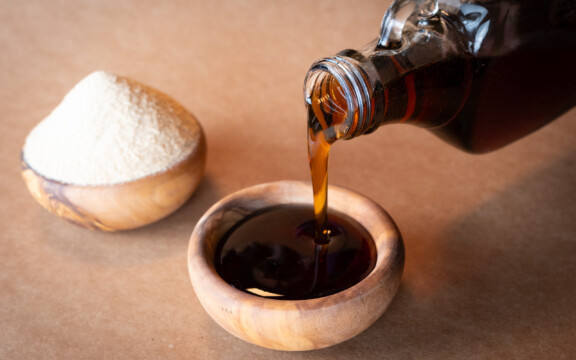
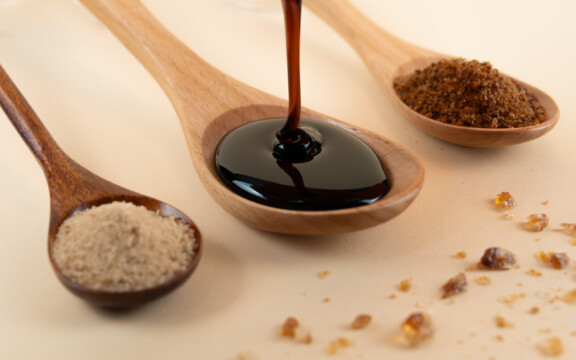
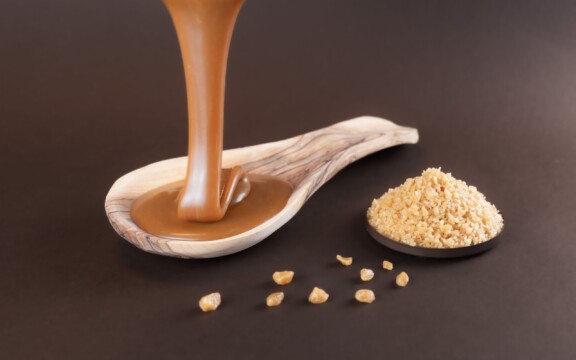
caramelised sugar syrup/caramelised syrup

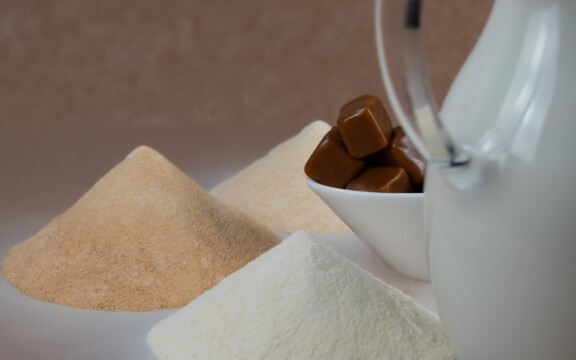
caramelised sugar powder

caramelised sugar paste

caramelised sugar cream

caramelised sugar sauce

caramelised sugar

caramelised sugar granules

caramelised sugar pieces

Benefits

wide range of products

standalone food product

natural manufacturing process

free from chemical additives

easy processing

long shelf life

clean label

Areas of application

The area of application covers the entire food industry

Features

GFSI certified

allergen-free

GMO-free (in accordance with EU Regulations (EC) 1829/2003 and 1830/2003)

halal

kosher

vegan

gluten-free

lactose-free

organic

Caramelised sugar FAQs

How is caramelised sugar syrup made?

Caramelised sugar syrup is produced by slowly caramelising sugar. When sugar is heated, it breaks down into substances that give flavour and colour. As the temperature rises, the proportions of these substances change. The flavour evolves from sweet to toasted and aromatic, while the colour intensifies.

What are the benefits of caramelised sugar?

The popular flavour profile ranges from sweet caramel to a toasted, aromatic flavour.
The reddish-brown colour makes the end product look fresh and appealing.
Consumers more readily accept caramelised sugar than conventional sugar.
Caramelised sugar is a natural food product free from chemical additives and is, therefore, considered a ‘clean label’ product.

What is the difference between caramelised sugar syrup and caramel colour?

Caramel sugar syrup is not a food colouring within the meaning of Regulation (EC) No 1333/2008 on food additives.
Conversely, caramel colour contains chemical additives, which is why it must be declared as colouring agent E150 (a–d), in accordance with Regulation (EU) No 1129/2011. The regulations that govern food additives also apply to caramel colour.

Our caramelised sugar syrups are made using sugar but where does this sugar come from?

Only beet sugar is used in the production process.

How may caramelised sugar syrup be labelled?

Liquid products made from pure sucrose may be labelled as ‘caramelised sugar’, ‘caramelised sugar syrup’, ‘burnt sugar’, ‘burnt sugar syrup’ or ‘sugar’. If caramelised sugar contains both sucrose and glucose, both must be listed in the ingredients, for example, 'caramelised sugar (glucose, sugar)' or in the reverse order, depending on the proportions.
As a rule, ingredients are always listed in descending order of weight.

How is caramelised sugar powder made?

Caramelised sugar powder is made from caramelised sugar syrup and is produced using a process called spray drying. Following quality control caramelised sugar powder is approved as a food product.

How do I declare caramelised sugar powder?

Caramelised sugar powder made from pure sucrose may be labelled as ‘caramelised sugar’ or ‘sugar’. If the powdered product contains a carrier substance, such as maltodextrin, this must be stated. If the original syrup consists of sucrose and glucose, depending on the ratio, for example, ‘caramelised sugar (glucose, sucrose), maltodextrin’ must be specified.

How stable is the pH value in caramelised sugar syrup?

The pH value decreases as the degree of caramelisation increases, especially at the beginning of the heating process. The darkest types end up with a value of around 2.5.

Can caramelised sugar syrup be used in the brewing process?

Caramelised sugar syrup is versatile and can be used in the preparation of wort and beer in various ways. For example, it can be added directly to the boiling wort, or to malt drinks before or after filtration, together with degassed water and, if necessary, glucose syrup.
It enhances the colour, sweetness, texture and flavour of beer, beer mixes and malt beverages, while enabling clean labelling by replacing caramel colourings and flavourings.

How does caramelised sugar enrich savoury applications?

Caramelised sugar adds depth and balance to savoury dishes with its warm, roasted and caramel notes. It softens the bitterness, sourness or spiciness of ingredients, enhances the umami flavour and gives sauces and marinades an appetising colour and well-rounded mouthfeel.