Candy sugar

Classification and regulatory status of Candy sugar

Candy sugar is crystalline sugar in the form of large, mostly irregular crystals, which are formed by the slow crystallisation of a saturated sugar solution. Candy sugar is used in many areas of the food industry and is characterised by its high purity, slow solubility and distinctive flavour.

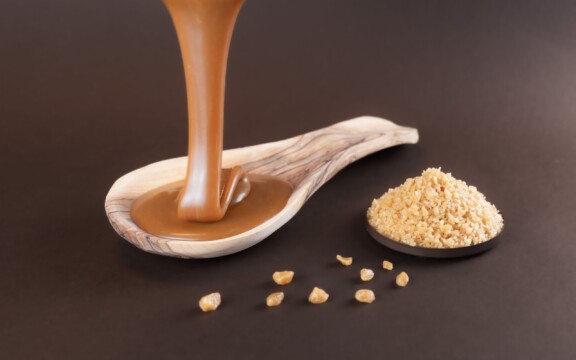
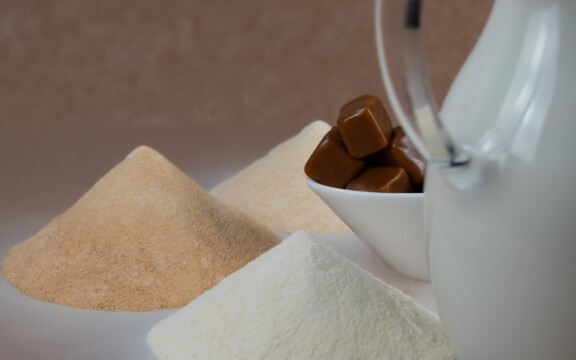
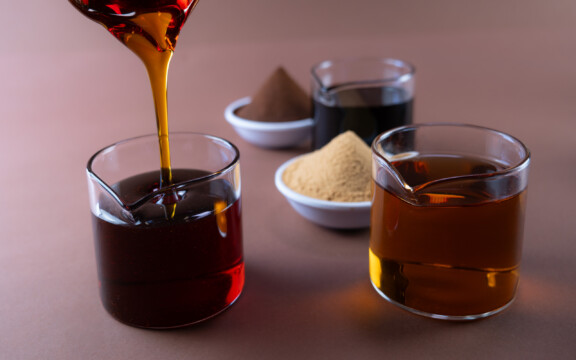
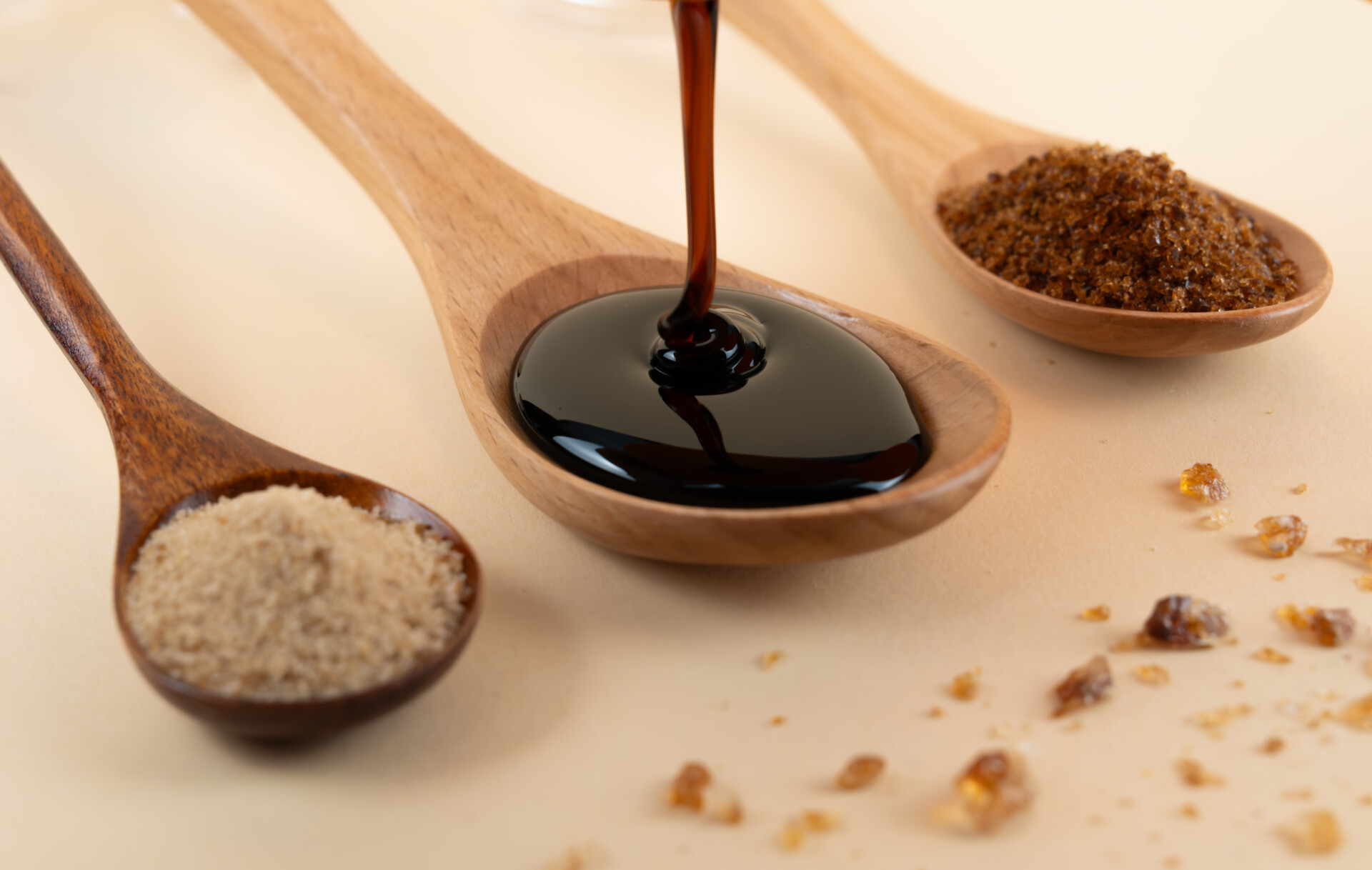
We offer our candy sugar products in powder, piece and syrup form. Each has a mild or strong flavour profile.

Product groupcandy sugar
Tastemild and strong
Colorbrown
Form

candy sugar powder/caramelised candy sugar

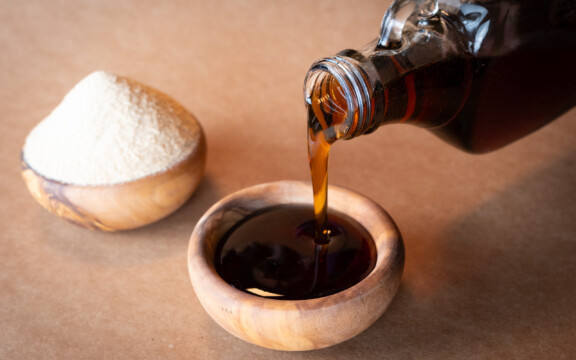
candy sugar syrup/caramelised sugar syrup

candy sugar cubes

Benefits

distinctive taste of candy sugar

produces a golden hue

emphasises flavours (vanilla, fruity notes) without masking them

particularly long shelf life

clean label

Areas of application

chocolate and confectionery

dairy products, ice cream and preparations

aromatic products

beverages & flavourings

bread, baked goods and cereals

Features

IFS Food certified

allergen-free

GMO-free (in accordance with EU Regulations (EC) 1829/2003 and 1830/2003)

halal

kosher

vegan

gluten-free

lactose-free

Candy sugar FAQs

What is the tradition behind candy sugar?

Candy sugar has a long tradition dating back to the Middle Ages. Originally developed in the Arab world, candy sugar was obtained through slow crystallisation and, due to its large, pure crystals, was mainly used as a sweetener for tea and coffee. To this day, candy sugar is regarded as a symbol of quality and purity.

How is candy sugar made?

Candy sugar is produced by the slow crystallisation of a highly saturated sugar solution. In this process, sugar (typically sucrose) is dissolved in water and the solution is heated to achieve saturation. The solution is then cooled slowly, forming large, pure sugar crystals. This process can take several days to weeks. The resulting crystals are then harvested, dried and sorted. Controlled crystallisation produces the characteristic large, clear pieces of candy sugar

What is the difference between candy sugar syrup and caramelised sugar syrup?

Both products differ in their manufacturing process. Candy sugar syrup is the result of the candy sugar production process, whereas caramelised sugar syrup is deliberately cooked to achieve its colour and flavour. The distinct flavour profiles arise from the differing manufacturing processes.

What are the benefits of using candy sugar crystals in baked goods?

Candy sugar products give baked goods a distinct and characteristic flavour – for example, they are a classic ingredient in caramel-based baked goods.
Certain grades of candy sugar are stable when frozen and thawed.

Why is candy sugar used in the brewing process?

Water-soluble candy sugar ferments completely and is converted into alcohol and carbon dioxide by the yeast. This increases the alcohol content of the beer without significantly affecting its structure.
Depending on its colour, candy sugar can impart notes of sweetness, caramel or even dried fruit to beer, enriching its complex flavour profile.
Unlike unrefined sugar, candy sugar leaves no residue and thus contributes to the clarity of the finished beer.

How is candy sugar used in the brewing process?

In the brewing process, candy sugar is added before the primary fermentation, either at the end of the boiling process or as syrup after the wort has cooled down. In certain speciality beers, candy sugar is also added before bottling for the second fermentation.

Which types of beer commonly use candy sugar?

Candy sugar is especially associated with strong Belgian beer styles (such as Dubbel, Tripel, Quadrupel).